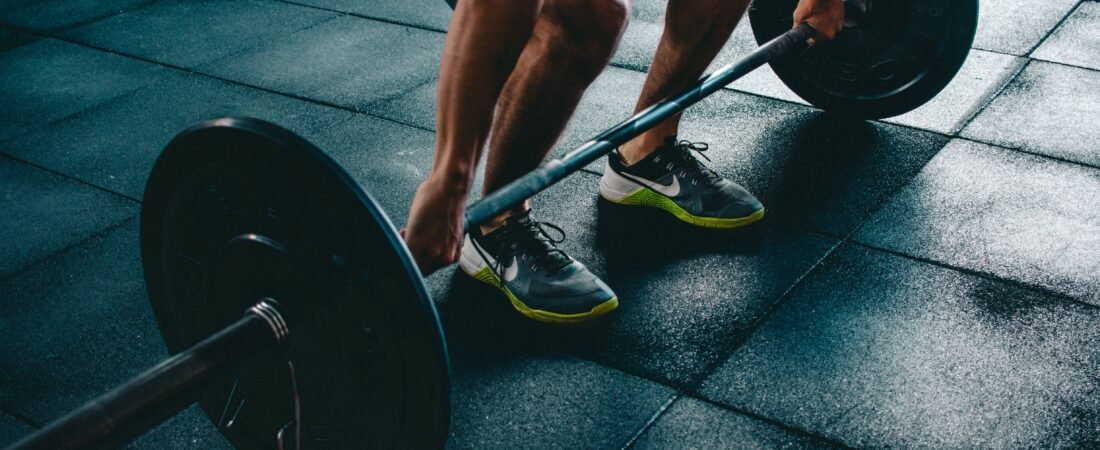
If you’re wondering how long should a home workout last, the good news is that you don’t need to spend hours exercising to get results. For most people, an effective home workout can last anywhere from 20 to 60 minutes, depending on your fitness level, goals, workout type, and available time.
The key is not simply how long you exercise, but how effectively you use your workout time. A short, consistent workout can be more beneficial than an occasional long session.
How Long Should a Home Workout Last?
For most adults, a 30–45 minute home workout is a practical target. This gives you enough time to warm up, complete your main exercises, and cool down without making exercise feel overwhelming.
Here’s a general guide:
- 10–20 minutes: Good for beginners, busy days, mobility, or short high-intensity sessions.
- 20–30 minutes: Suitable for a quick full-body workout.
- 30–45 minutes: Ideal for many strength, cardio, and full-body home workouts.
- 45–60 minutes: Useful for more detailed strength training, longer cardio sessions, or advanced workouts.
- 60+ minutes: Usually unnecessary for a standard home workout unless you have a specific training goal.
Rather than focusing on reaching a specific number of minutes, aim for a workout duration that you can maintain consistently.
Is 20 Minutes Enough for a Home Workout?
Yes. A 20-minute workout can be enough, particularly when you’re short on time or just starting an exercise routine.
A well-structured 20-minute workout might include:
- 3–5 minutes of warm-up
- 12–15 minutes of exercise
- 2–3 minutes of cool-down
You can combine exercises such as squats, lunges, push-ups, glute bridges, planks, and jumping jacks to create an efficient full-body workout.
The important factor is exercise quality and consistency. Twenty focused minutes can be much more useful than planning a one-hour workout that you rarely complete.
How Long Should a Beginner Home Workout Last?
If you’re new to exercise, start with around 20–30 minutes per workout. This gives your body time to adapt without unnecessarily increasing fatigue or soreness.
A beginner home workout could include:
- 5 minutes of gentle warm-up
- 15–20 minutes of basic strength or cardio exercises
- 5 minutes of cool-down and stretching
As your fitness improves, you can gradually increase the duration, intensity, or number of exercises.
You don’t have to exercise for an hour simply because longer workouts are available. Building a sustainable exercise habit should be the priority for beginners.
How Long Should a Home Workout Be to Lose Weight?
If your goal is weight loss, there isn’t one specific workout duration that guarantees results. Your overall activity level, nutrition, exercise intensity, sleep, and consistency all play a role.
A 30–60 minute workout can be a useful target for many people, but shorter sessions can also contribute to an active lifestyle.
For example, you could combine:
- 30 minutes of strength training three times a week
- 20–30 minutes of cardio on other days
- Regular walking and general daily movement
Strength training can help maintain and build muscle, while cardio increases physical activity and cardiovascular fitness.
Instead of asking only “How long should I exercise to lose weight?”, consider how you can create a routine that you can follow consistently over time.
How Long Should a Home Workout Be to Build Muscle?
If you’re training at home to build muscle, workout duration depends heavily on your exercises, training volume, rest periods, and equipment.
A typical strength-focused home workout may last 30–60 minutes.
You can train effectively using:
- Bodyweight exercises
- Resistance bands
- Dumbbells
- Kettlebells
- Adjustable weights
Rather than extending your workout unnecessarily, focus on gradually making your exercises more challenging. This could mean increasing resistance, repetitions, sets, or exercise difficulty over time.
How Long Should a Cardio Workout at Home Last?
The ideal cardio workout duration depends on your fitness level and the type of activity you’re doing.
A beginner might start with 15–30 minutes, while someone with more experience may comfortably perform 30–60 minutes of moderate-intensity cardio.
Home cardio options include:
- Walking or marching in place
- Jogging in place
- Cycling on a stationary bike
- Dancing
- Jumping jacks
- Step-ups
- Low-impact cardio circuits
If you’re doing particularly intense intervals, your workout may be shorter because you’re working at a higher intensity.
How Often Should You Work Out at Home?
Workout frequency matters just as much as workout duration.
For many people, exercising 3–5 days per week provides a practical structure. However, your ideal schedule depends on your goals, fitness level, workout intensity, and recovery needs.
For example:
Monday: Full-body strength
Tuesday: Cardio or walking
Wednesday: Rest or light mobility
Thursday: Full-body strength
Friday: Cardio
Saturday: Optional light workout or outdoor activity
Sunday: Rest
You don’t necessarily need to exercise every day. Rest and recovery are important parts of a sustainable home workout routine.
What Should a 30-Minute Home Workout Look Like?
If you only have 30 minutes, you can still complete an effective session.
Example 30-Minute Full-Body Home Workout
Warm-up — 5 minutes
- Arm circles
- Marching in place
- Bodyweight squats
- Hip rotations
- Light dynamic stretches
Main workout — 20 minutes
Complete 3–4 rounds of:
- 10–15 squats
- 8–12 push-ups
- 10–15 reverse lunges per leg
- 12–15 glute bridges
- 20–30 seconds of plank
Rest briefly between exercises or rounds as needed.
Cool-down — 5 minutes
Finish with gentle movement and stretches that feel comfortable.
This is only an example. Your workout should be adjusted according to your fitness level, goals, and any physical limitations.
Does a Longer Workout Mean Better Results?
Not necessarily.
A longer workout isn’t automatically a better workout. Spending extra time exercising can be useful when it serves a specific purpose, but more exercise isn’t always better.
For example, increasing a workout from 30 to 90 minutes doesn’t automatically mean you’ll get three times the results.
Instead, consider:
- Are you performing the exercises with good technique?
- Is the workout challenging enough for your current fitness level?
- Are you recovering properly?
- Can you maintain the routine consistently?
- Does the workout match your goal?
Consistency, appropriate intensity, and progression are generally more important than simply adding more minutes.
How Long Should You Rest During a Home Workout?
Rest periods depend on the type and intensity of your workout.
For strength training, you may need longer breaks between challenging sets. For a circuit or lower-intensity workout, shorter breaks may be appropriate.
If you’re a beginner, don’t be afraid to rest when you need to. Good recovery can help you maintain proper exercise technique and complete your workout safely.
Tips for Making a Short Home Workout Effective
If you don’t have much time, you can still make your home workouts productive.
1. Plan Your Workout
Know which exercises you’ll perform before you start. This reduces wasted time between exercises.
2. Focus on Full-Body Movements
Exercises such as squats, lunges, push-ups, rows, and core movements can train several muscle groups in one session.
3. Reduce Unnecessary Breaks
Have your equipment ready and keep your workout space organised.
4. Increase Difficulty Gradually
As your fitness improves, gradually increase resistance, repetitions, sets, or exercise difficulty.
5. Don’t Skip the Warm-Up
Even a short warm-up can help prepare your body for exercise.
6. Make Consistency Your Goal
A 25-minute workout you complete regularly can be more sustainable than an ambitious 90-minute workout you rarely do.
How Long Should a Home Workout Last? The Bottom Line
So, how long should a home workout last?
For most people, 20–60 minutes is a useful range, with 30–45 minutes being a practical target for many home workout routines.
Beginners can start with shorter sessions and gradually build their fitness. More experienced exercisers may benefit from longer workouts depending on their goals.
Ultimately, the best home workout duration is one that fits your fitness level, goals, schedule, and ability to recover.
You don’t need to spend hours exercising. Choose a realistic workout length, focus on quality, and make regular physical activity part of your routine.
Frequently Asked Questions
Is a 20-minute home workout enough?
Yes. A focused 20-minute workout can be worthwhile, particularly when you’re short on time. The effectiveness depends on the exercises, intensity, and consistency.
Is 30 minutes of exercise a day enough?
Thirty minutes can be a practical amount of daily exercise for many people. The appropriate amount depends on your goals, fitness level, and the type of activity you’re doing.
Can I work out at home for an hour?
Yes. An hour can be appropriate for some workouts, particularly when you’re doing strength training, longer cardio, or a combination of activities. However, longer isn’t automatically better.
How long should a home workout last for beginners?
Around 20–30 minutes is a reasonable starting point for many beginners. You can gradually increase the duration as your fitness and confidence improve.
Can short home workouts help me get fit?
Yes. Short workouts can contribute to improving fitness when performed consistently and combined with an appropriate overall activity routine.