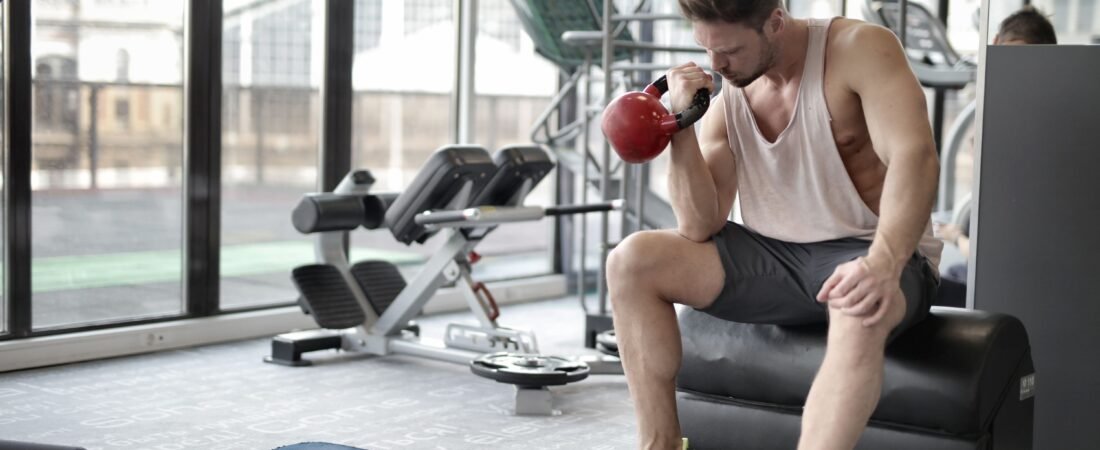
Creating a home gym can make working out more convenient, affordable, and accessible. You can exercise on your own schedule without commuting to a commercial gym or waiting for equipment. However, beginners often make a few common mistakes that can slow progress, waste money, or increase the risk of injury.
Whether you’re setting up a small workout space or building a complete home gym, knowing what to avoid can help you create a safer and more effective fitness routine.
1. Buying Too Much Equipment Too Soon
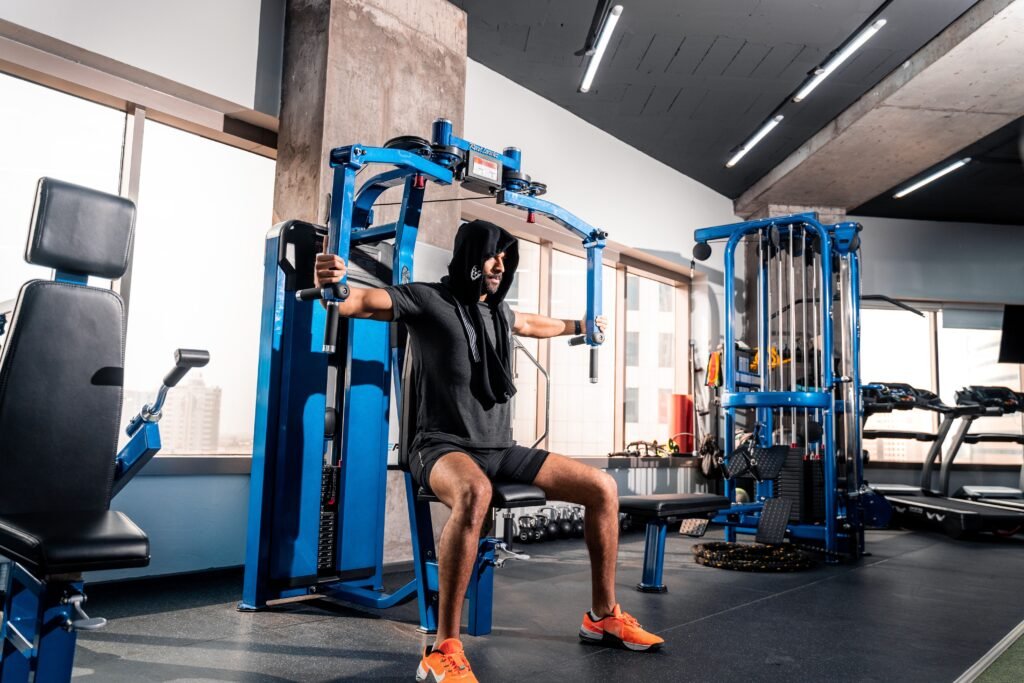
One of the most common home gym mistakes for beginners is purchasing every piece of fitness equipment that looks useful.
You don’t need a room full of machines to get a good workout. Beginners can make significant progress with a few versatile essentials, such as:
- Adjustable dumbbells
- Resistance bands
- A workout bench
- A yoga or exercise mat
- A pull-up bar
- Kettlebells
Start with equipment that supports your fitness goals. As your strength and experience increase, you can gradually add equipment based on what you actually use.
2. Choosing Equipment Without Planning Your Space
Before buying home gym equipment, measure the available area. A treadmill, squat rack, or weight bench can take up considerably more room than expected.
Think about:
- Ceiling height
- Available floor space
- Storage requirements
- Ventilation
- Flooring
- Clearance around equipment
A well-organized home gym setup should leave enough space to move safely. Avoid placing equipment so close together that you cannot perform exercises comfortably.
3. Focusing on Equipment Instead of Consistency
Expensive equipment doesn’t automatically produce better results.
A common beginner mistake is spending more time researching equipment than actually exercising. A simple workout routine performed consistently is generally more useful than an impressive collection of equipment that rarely gets used.
Create a realistic home workout routine that fits your schedule. Even short, regular workouts can help establish the habit of exercising.
4. Skipping the Warm-Up
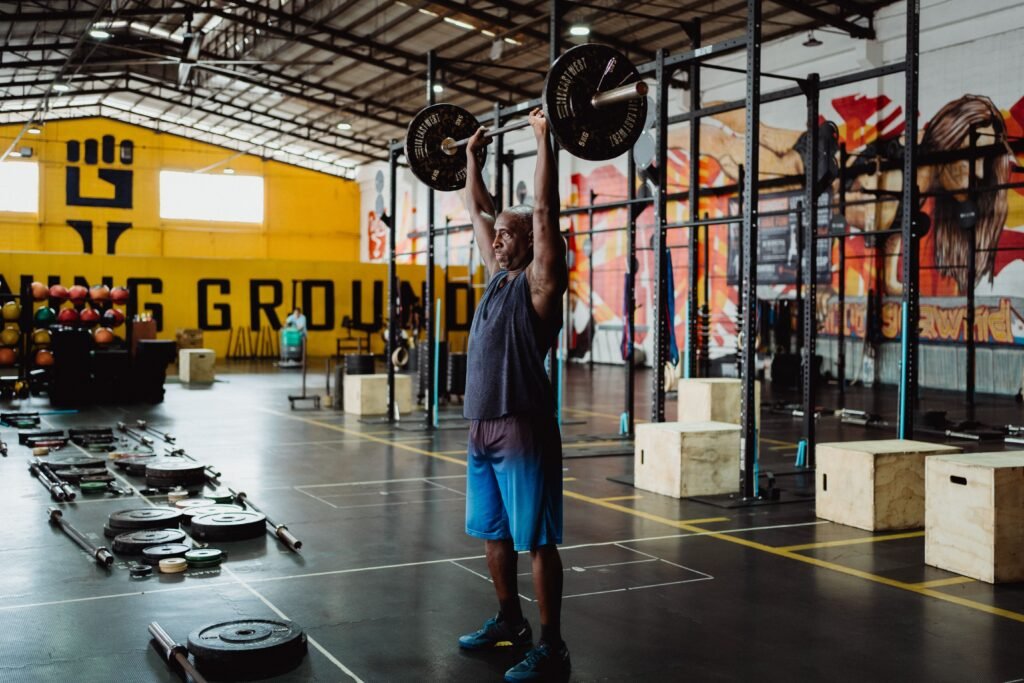
Starting a workout at full intensity without preparing your body is another mistake beginners should avoid.
A warm-up can gradually increase your heart rate and prepare your muscles and joints for movement. Depending on your workout, it might include light cardio, dynamic movements, or easier versions of the exercises you plan to perform.
For example, before a strength workout, you could spend several minutes doing light movement followed by exercise-specific warm-up sets.
5. Using Poor Exercise Technique
Learning proper form should be a priority when beginning strength training at home.
Lifting heavier weights before learning the movement can make exercises unnecessarily difficult and may increase injury risk. Start with manageable resistance and focus on controlled, technically sound movements.
If you’re unsure how to perform an exercise, consider working with a qualified fitness professional or using reputable instructional resources.
6. Trying to Do Too Much Too Quickly
Motivation is valuable, but doing intense workouts every day from the beginning can be counterproductive.
Your body needs time to adapt to new physical demands. Beginners should gradually increase workout volume, resistance, duration, or intensity rather than making dramatic changes overnight.
A sustainable beginner home workout should challenge you without leaving you unable to recover before your next session.

7. Ignoring Recovery
Exercise is only one part of a fitness routine. Recovery also matters.
Make room for rest days and pay attention to how your body feels. Adequate sleep, nutrition, hydration, and sensible training progression can all contribute to recovery.
If you experience persistent or severe pain, stop the exercise and seek appropriate medical advice rather than attempting to train through it.
8. Neglecting Strength and Mobility Balance
Some beginners focus exclusively on one type of exercise. For example, they may do only cardio or concentrate entirely on lifting weights.
A more balanced home fitness routine can include a combination of:
- Cardiovascular exercise
- Strength training
- Mobility work
- Flexibility exercises
- Recovery activities
Your exact balance should depend on your goals, experience, available time, and individual circumstances.
9. Forgetting About Safety
Home workouts don’t eliminate the need for safety precautions.
Keep your workout area free of clutter and make sure equipment is assembled and maintained according to the manufacturer’s instructions. Use appropriate flooring and ensure that weights and other equipment can be stored securely.
If you’re using heavy equipment such as a barbell and squat rack, understand how to exercise safely and consider whether you need appropriate safety supports or a training partner.
10. Not Having a Workout Plan
Walking into your home gym without knowing what you’re going to do can make workouts inconsistent and inefficient.
Instead, create a simple weekly structure. For example:
Monday: Full-body strength
Tuesday: Cardio or mobility
Wednesday: Rest
Thursday: Full-body strength
Friday: Cardio
Saturday: Optional light activity
Sunday: Rest
This is only an example. Your routine should be adapted to your fitness level and goals.
11. Expecting Immediate Results
Another common home gym beginner mistake is expecting dramatic changes within a few weeks.
Fitness progress takes time and can depend on factors such as training consistency, nutrition, sleep, starting fitness level, and individual characteristics.
Instead of focusing exclusively on appearance or the number on the scale, track practical indicators such as workout consistency, strength, endurance, technique, and how you feel during everyday activities.
12. Failing to Track Progress
Without tracking your workouts, it can be difficult to know whether you’re progressing.
Keep a simple record of exercises, sets, repetitions, resistance, and workout duration. Over time, you can use this information to make gradual adjustments.
Progressive overload doesn’t necessarily mean dramatically increasing the weight every workout. Progress can also involve performing more repetitions, improving technique, increasing control, or gradually increasing training volume.
How to Avoid Common Home Gym Mistakes
The best home gym for beginners doesn’t need to be expensive or complicated. Focus on creating a safe space, selecting versatile equipment, learning proper exercise technique, and establishing a realistic routine.
Most importantly, give yourself time to develop consistency. You can always expand your equipment collection and modify your workouts as your experience grows.
Final Thoughts
Setting up a home gym is an excellent way to make exercise more convenient, but beginners don’t need to make the process complicated. Avoid buying unnecessary equipment, rushing into intense workouts, neglecting recovery, or sacrificing technique for heavier weights.
Start small, build good habits, and gradually develop your home workout routine. With consistency and sensible progression, a simple home gym can provide everything you need to build a sustainable fitness habit.