
You know you should exercise, but you just don’t feel like it. Maybe you’re tired after work, stressed, busy with family responsibilities, or simply not in the mood for a workout. Whatever the reason, lack of motivation to exercise is something almost everyone experiences.
The good news is that you don’t need to feel motivated every time you work out. Learning how to exercise when you don’t feel motivated is less about forcing yourself to do an intense workout and more about creating simple habits that make physical activity easier to start.
Whether you’re trying to lose weight, improve your fitness, build muscle, reduce stress, or simply become more active, these practical strategies can help you exercise even on days when motivation is low.
Why Don’t I Feel Motivated to Exercise?
Understanding why you don’t want to exercise can make it easier to overcome the problem.
Common reasons for low motivation to work out include:
- Feeling physically or mentally tired
- Having a busy schedule
- Feeling stressed or overwhelmed
- Not enjoying your current workout routine
- Setting unrealistic fitness goals
- Expecting immediate results
- Feeling intimidated by the gym
- Exercising only when you feel motivated
- Doing workouts that are too difficult
- Lack of sleep or poor recovery
It’s important to remember that motivation naturally changes from day to day. Instead of waiting for motivation to appear, focus on building an exercise habit that requires less decision-making.

1. Start With Just Five Minutes
One of the easiest ways to exercise when you don’t feel motivated is to make your workout incredibly small.
Tell yourself:
“I’ll exercise for just five minutes.”
You could walk around your neighbourhood, stretch, perform bodyweight squats, do a few push-ups, or follow a short home workout.
The goal isn’t to complete a perfect workout. The goal is to start exercising.
Often, getting started is the hardest part. Once you begin moving, you may naturally feel like continuing. And if you stop after five minutes, you’ve still done something positive.
2. Don’t Wait Until You Feel Motivated
A common mistake is thinking:
“I’ll exercise when I feel motivated.”
Unfortunately, motivation isn’t always reliable.
Instead, create a routine where exercise happens automatically. For example:
- Walk every morning after breakfast.
- Exercise immediately after work.
- Go to the gym on Monday, Wednesday and Friday.
- Stretch for ten minutes before bed.
- Take a short walk during your lunch break.
This is the difference between motivation and discipline. Motivation can help you get started, but consistent habits make exercise easier to maintain.
3. Choose Exercise You Actually Enjoy
If you hate running, you don’t have to run.
If you dislike crowded gyms, you don’t have to join one.
There are countless ways to stay active without going to the gym, including:
- Walking
- Cycling
- Swimming
- Dancing
- Hiking
- Home workouts
- Yoga
- Pilates
- Strength training
- Recreational sports
- Exercise classes
The best workout is often the one you enjoy enough to keep doing.
Instead of asking, “What exercise burns the most calories?”, consider asking:
“What type of physical activity would I actually enjoy doing regularly?”
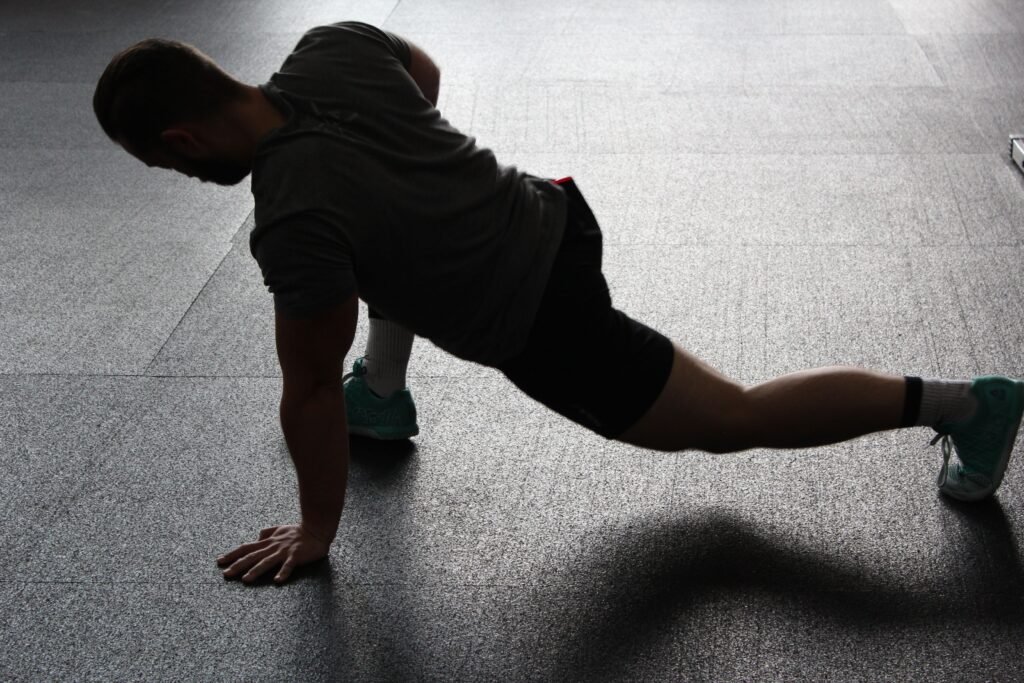
4. Make Your Workout Easier
If every workout feels exhausting, your routine may simply be too demanding.
You don’t need to have a high-intensity workout every time you exercise.
On low-energy days, try a lighter workout:
- Take a 20-minute walk.
- Do gentle stretching.
- Perform a short bodyweight workout.
- Cycle at an easy pace.
- Do mobility exercises.
- Try a beginner workout at home.
A lighter session is still better than doing nothing, especially when your goal is to develop consistent exercise habits.
5. Use the “No Zero Days” Approach
You don’t have to complete a full workout every day to stay consistent.
Instead, create a simple rule: do something active every day.
That might mean:
- 30 minutes at the gym
- A 20-minute walk
- 10 minutes of stretching
- Taking the stairs
- A short home workout
- Playing outside with your children
This approach removes the pressure to have a “perfect” workout.
Consistency matters more than perfection when you’re trying to build a long-term fitness routine.
6. Set Small, Realistic Fitness Goals
Large goals can sometimes feel overwhelming.
Instead of saying:
“I need to lose 20 pounds.”
Set smaller goals such as:
“I’ll walk for 20 minutes three times this week.”
Once that becomes manageable, increase your activity gradually.
Other realistic fitness goals for beginners include:
- Exercise three times per week.
- Walk 7,000 steps a day.
- Complete two strength workouts each week.
- Stretch for 10 minutes every evening.
- Increase your walking distance gradually.
Small goals give you frequent opportunities to succeed, which can make it easier to stay motivated.
7. Prepare for Your Workout in Advance
Reduce the number of decisions you need to make before exercising.
For example, prepare your workout clothes the night before. Put your trainers by the door. Schedule your workout on your calendar. Keep your exercise equipment somewhere visible.
The easier it is to start, the less you’ll have to rely on motivation.
This strategy is particularly useful if you struggle with how to get motivated to work out in the morning.
8. Find an Exercise Partner

Working out with another person can make exercise more enjoyable and provide accountability.
You could:
- Walk with a friend.
- Join a fitness class.
- Go to the gym with a colleague.
- Join a local sports club.
- Follow the same home workout as a friend.
When someone else expects you to show up, you’re less likely to skip your workout simply because you aren’t feeling motivated.
9. Listen to Music, Podcasts or Audiobooks
Entertainment can make exercise feel less like a chore.
Create a playlist specifically for workouts or listen to a podcast while walking.
For lower-intensity activities such as walking or cycling, audiobooks can also make the time pass more quickly.
The aim is to associate exercise with something you already enjoy.
10. Remember That Exercise Doesn’t Have to Be Perfect
You don’t need the perfect workout program, the perfect gym membership or the perfect amount of motivation.
Some days you’ll have an amazing workout.
Other days, you’ll only manage a short walk.
Both count.
If you’re trying to stay motivated to exercise, avoid thinking that a workout only matters if it is long or intense. A 10-minute workout can still help you maintain the habit.
11. Focus on How You Feel After Exercise
Instead of focusing only on long-term results such as weight loss or muscle gain, pay attention to how you feel after being active.
Many people notice that exercise can help them feel:
- More energetic
- Less stressed
- More relaxed
- More accomplished
- More focused
- More confident
When you begin associating exercise with positive experiences, it can become easier to repeat the behaviour.
12. Give Yourself Permission to Rest
Sometimes a lack of motivation is your body’s way of telling you that you need recovery.
If you’re genuinely exhausted, sick, experiencing unusual pain, or recovering from a demanding workout schedule, rest may be more appropriate than pushing through.
There’s a difference between “I don’t feel like exercising” and “My body needs recovery.”
Learning to recognise that difference can help you create a healthier and more sustainable fitness routine.

A Simple Workout Plan for Low-Motivation Days
When you don’t feel motivated, try this simple 15-minute routine:
Minute 1–3: Warm-up
Walk around, march in place or perform gentle mobility movements.
Minute 4–8: Strength
Perform easy bodyweight exercises such as squats, wall push-ups and glute bridges.
Minute 9–12: Cardio
Walk briskly, march in place or perform another low-impact movement.
Minute 13–15: Cool down
Slow down and finish with gentle stretching.
If 15 minutes feels like too much, do five minutes. The objective is to keep your exercise habit alive without creating unnecessary pressure.
How to Stay Consistent With Exercise
The key to long-term fitness isn’t feeling motivated every day. It’s creating an environment and routine that make exercise easier.
Try these habits:
- Schedule workouts in advance.
- Start with manageable goals.
- Choose activities you enjoy.
- Keep workout equipment accessible.
- Track your progress.
- Exercise with a friend.
- Celebrate consistency rather than perfection.
- Allow yourself recovery days.
- Adjust your workouts when your energy is low.
- Focus on creating a lifestyle rather than pursuing quick results.
What If You Keep Losing Motivation?
If you repeatedly lose motivation, your exercise plan may need to change.
Ask yourself:
Is my workout too difficult?
If yes, reduce the intensity.
Do I actually enjoy this type of exercise?
If no, try something different.
Am I setting unrealistic goals?
If yes, make them smaller.
Am I getting enough recovery?
If no, schedule rest.
Am I exercising because I want to, or because I think I have to?
Finding a form of movement that fits your lifestyle can make exercise much easier to maintain.
Final Thoughts
You don’t need to feel motivated to exercise.
The most useful skill is learning how to exercise when you don’t feel motivated by making physical activity simple, manageable and enjoyable.
Start with five minutes. Take a walk. Do a short home workout. Stretch. Put on your trainers and move before you have time to overthink it.
Some workouts will be challenging, while others will be easy. What matters is building a sustainable exercise routine that fits your life.
Don’t wait for motivation to create the habit. Create the habit, and motivation often becomes easier to find.

Frequently Asked Questions
How do I exercise when I have no motivation?
Start with a very small amount of exercise, such as a five-minute walk or short stretching session. Making the first step easy can reduce the mental resistance to starting.
How can I motivate myself to work out?
Set small goals, choose enjoyable activities, schedule workouts and prepare your clothes or equipment in advance. You can also exercise with a friend for additional accountability.
Should I exercise if I don’t feel like it?
If you’re simply lacking motivation, a short, easy workout can be worthwhile. However, if you’re ill, injured, unusually exhausted or need recovery, rest may be more appropriate.
What is the best exercise for beginners?
The best exercise depends on your goals, preferences and fitness level. Walking, cycling, swimming, beginner strength training and low-impact home workouts can all be accessible options.
How long should I exercise when I’m unmotivated?
There is no need to force a long workout. Even five to 15 minutes of movement can be a useful starting point when you’re struggling with motivation.