Introduction
You don’t need a gym membership, expensive equipment, or hours of intense workouts to start losing body fat.
For beginners, fat loss without a gym can be surprisingly simple. The biggest factors are creating a manageable calorie deficit, eating nutritious foods, staying active throughout the day, getting enough sleep, and building habits you can maintain.
Whether you’re exercising at home, walking around your neighbourhood, or simply becoming more active during your daily routine, you can make meaningful progress without stepping inside a gym.
This beginner’s guide explains how to approach fat loss at home safely and sustainably.
What Is Fat Loss?
Fat loss means reducing the amount of stored body fat. It is different from simply seeing a lower number on the scale because changes in body weight can also come from water, muscle, food in your digestive system, and other factors.
A sustainable approach focuses on gradually reducing body fat while supporting your overall health and preserving as much muscle as possible.
The key principle is energy balance: over time, your body generally needs to use more energy than you consume for stored energy, including body fat, to decrease.
Can You Lose Fat Without Going to the Gym?
Yes, you can lose body fat without a gym.
A gym is simply one possible environment for physical activity. You can exercise at home, walk, cycle, climb stairs, dance, play sports, or increase your everyday movement.
However, exercise isn’t the only factor involved in fat loss. Nutrition plays a major role because it is often easier to consume calories than it is to burn them through exercise.
A practical beginner strategy is to combine:
- A modest calorie deficit
- Protein-rich, nutritious foods
- Regular walking and daily movement
- Simple resistance exercises
- Adequate sleep
- Consistency over time
1. Start With Your Diet
If your goal is fat loss, your eating habits deserve attention.
You don’t necessarily need an extremely restrictive diet. Instead, focus on foods that provide plenty of nutrients and help you feel satisfied.
Build most meals around:
- Lean protein such as eggs, fish, chicken, beans, lentils, tofu, or Greek yogurt
- Vegetables and fruit
- Whole grains and other high-fibre carbohydrates
- Healthy sources of dietary fat
- Mostly minimally processed foods
You can still enjoy your favourite foods. The goal isn’t perfection; it’s creating an eating pattern that you can follow consistently.
Prioritise Protein
Protein can help support muscle maintenance during weight loss and may help you feel fuller after meals.
Try including a source of protein in each main meal. For example, you could have eggs at breakfast, chicken or lentils at lunch, and fish, tofu, or beans at dinner.
The right amount depends on factors such as your body size, activity level, age, and overall diet.
2. Create a Sustainable Calorie Deficit
A calorie deficit occurs when you consume fewer calories than your body uses over time.
You don’t need to drastically cut your food intake. A moderate deficit is generally easier to maintain than an aggressive restriction.
Instead of trying to eat as little as possible, look for easy ways to reduce excess calories:
- Replace sugary drinks with water or low-calorie alternatives.
- Reduce frequent snacking when you’re not hungry.
- Use sensible portions of calorie-dense foods.
- Add more vegetables and fruit to meals.
- Choose filling, protein-rich foods.
- Limit highly processed foods when they make it difficult to control portions.
Avoid crash diets that promise dramatic results in a short period. Sustainable fat loss is usually a gradual process.
3. Walk More Every Day
Walking is one of the easiest forms of exercise for beginners.
You don’t need special equipment or a gym membership, and you can divide your activity into several shorter sessions throughout the day.
Try simple strategies such as:
- Taking a walk after meals
- Walking while listening to a podcast
- Taking the stairs when practical
- Parking farther away from your destination
- Going for a longer weekend walk
- Taking short movement breaks during sedentary periods
You don’t have to start with thousands of extra steps overnight. Increase your activity gradually and find a level that fits your lifestyle.
4. Try Simple Home Workouts
You can perform effective beginner exercises using your body weight.
A simple home workout might include:
- Bodyweight squats
- Wall or incline push-ups
- Glute bridges
- Reverse lunges
- Bird dogs
- Planks
Start with a small number of repetitions and focus on good technique. As the exercises become easier, gradually increase repetitions, sets, or difficulty.
You don’t need to train for hours. Short, consistent workouts can be a useful addition to an active lifestyle.
5. Include Resistance Training
Resistance training is valuable during fat loss because it can help maintain and build muscle.
You can start with bodyweight exercises and later add resistance bands, dumbbells, or other equipment if you want.
For beginners, a simple full-body routine performed a few times per week can be enough to get started.
Remember that resistance training isn’t about exhausting yourself every session. Focus on controlled movements and gradually increasing the challenge.
6. Don’t Ignore Everyday Movement
Your daily activity outside formal workouts can make a meaningful difference.
This type of movement includes walking around the house, doing household chores, gardening, shopping, taking the stairs, and moving around at work.
If you spend most of your day sitting, look for opportunities to move more frequently.
For example, you could stand up every hour, take a short walk during breaks, or do household tasks instead of remaining seated for long periods.
Small changes can add up over the course of a week.
7. Drink More Water
Water doesn’t directly “burn fat,” but staying hydrated can support normal body function and may make it easier to manage your diet.
If you regularly consume high-calorie drinks, replacing some of them with water can also reduce your overall calorie intake.
Keep a water bottle nearby and drink regularly throughout the day. Your hydration needs vary depending on factors such as temperature, activity, diet, and individual circumstances.
8. Get Enough Sleep
Sleep is an often-overlooked part of a successful fat-loss plan.
Poor sleep can make healthy eating and exercise more difficult and may affect hunger, appetite, energy, and recovery.
Aim to establish a consistent sleep routine. Helpful habits can include:
- Going to bed and waking up at similar times
- Keeping your bedroom comfortable and dark
- Limiting stimulating activities before bed
- Avoiding excessive caffeine late in the day
- Creating a relaxing nighttime routine
Good sleep won’t replace a healthy diet or physical activity, but it can make those habits easier to maintain.
9. Track Your Progress the Right Way
The scale can be useful, but it isn’t the only way to measure progress.
Body weight naturally fluctuates because of factors such as water retention, food intake, and hormonal changes.
Consider tracking several indicators:
- Body weight trends
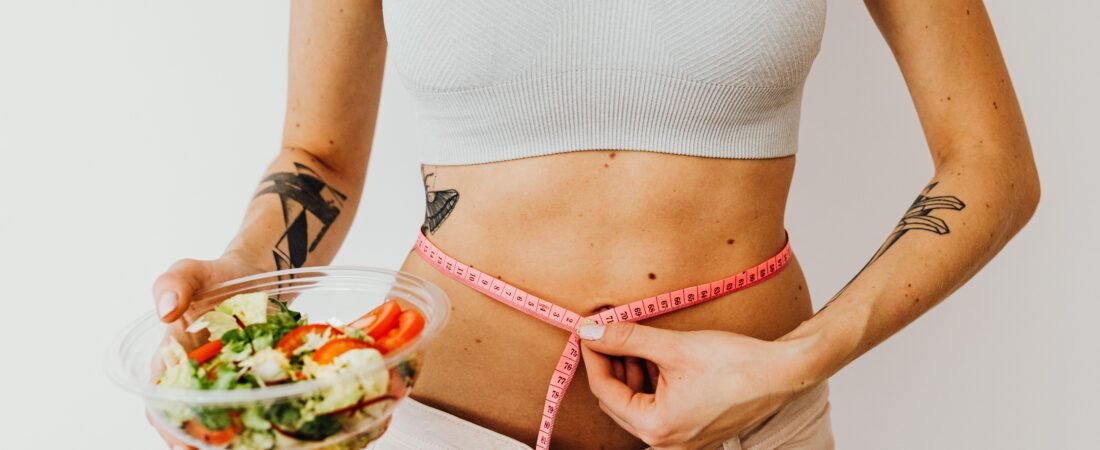
- Waist measurements
- How your clothes fit
- Fitness and strength improvements
- Daily energy levels
- Consistency with your habits
If you weigh yourself, looking at trends over several weeks is generally more useful than reacting to individual daily measurements.
10. Set Realistic Fat-Loss Goals
One of the biggest mistakes beginners make is expecting instant results.
Instead of focusing entirely on a specific number on the scale, set behaviour-based goals.
For example:
- Walk for 30 minutes most days.
- Eat a protein-rich breakfast.
- Include vegetables with lunch and dinner.
- Complete two or three home workouts each week.
- Drink water instead of sugary drinks.
- Maintain a consistent sleep schedule.
These goals are within your control and can gradually contribute to changes in body composition.
Sample Beginner Fat-Loss Routine at Home
Here’s an example of a simple weekly structure:
| Day | Activity |
|---|---|
| Monday | Full-body home workout + walk |
| Tuesday | Brisk walk |
| Wednesday | Full-body home workout + light movement |
| Thursday | Walk or another enjoyable activity |
| Friday | Full-body home workout |
| Saturday | Longer walk or recreational activity |
| Sunday | Rest and gentle movement |
You can adjust this schedule according to your fitness level, time, and preferences.
Common Mistakes to Avoid
Trying to Exercise Away a Poor Diet
Exercise is beneficial, but it’s easy to consume more calories than you burn during a workout. Don’t treat exercise as permission to regularly overeat.
Cutting Calories Too Aggressively
Severe restriction can leave you hungry, tired, and more likely to abandon your plan. A sustainable approach is usually more practical.
Doing Only Cardio
Walking and cardio are useful, but resistance training can also help support muscle while you’re losing weight.
Expecting Spot Reduction
You can’t reliably choose where your body loses fat first. Exercises targeting your stomach, for example, don’t specifically burn belly fat.
Changing Everything at Once
Trying to completely overhaul your diet, exercise, sleep, and lifestyle overnight can become overwhelming.
Start with a few manageable habits and build from there.
How Long Does Fat Loss Take?
There is no single timeline that applies to everyone.
The rate of fat loss can vary depending on factors such as starting body composition, calorie intake, activity level, age, genetics, sleep, and adherence.
Instead of chasing rapid results, focus on sustainable progress. If your habits are consistent but your weight trend hasn’t changed for several weeks, you can reassess your food intake and activity level.