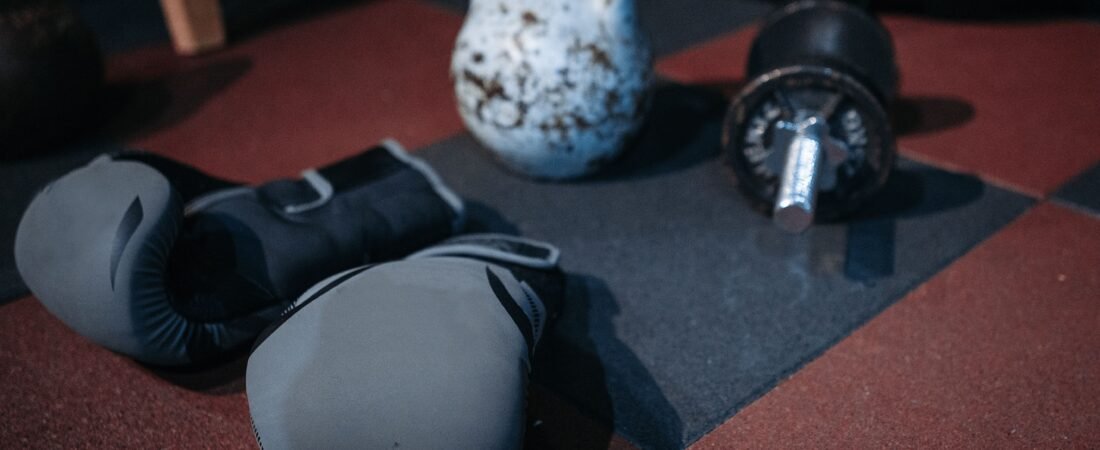
Creating a home gym doesn’t require a spare room, large garage, or expensive collection of fitness machines. With the right equipment, even a small bedroom, apartment corner, living room, or home office can become an effective workout space.
The best home gym equipment for small spaces is compact, versatile, easy to store, and suitable for different types of workouts. From adjustable dumbbells and resistance bands to foldable benches and compact cardio machines, there are plenty of options for building a functional home gym without sacrificing valuable floor space.
In this guide, we’ll explore the best space-saving fitness equipment, what to look for when choosing compact gym gear, and practical small home gym ideas to help you make the most of limited space.
What Makes Home Gym Equipment Suitable for Small Spaces?
When space is limited, every piece of equipment needs to be useful. Instead of filling your room with single-purpose machines, focus on equipment that can support several exercises while being easy to store.
The most useful compact home gym equipment typically has the following features:
- Small footprint: It takes up minimal floor space during use and storage.
- Easy storage: Foldable, stackable, or wall-mounted designs are particularly useful.
- Versatility: Equipment can be used for multiple exercises and muscle groups.
- Portability: Lightweight equipment can be moved when you need the space for other activities.
- Adjustability: Adjustable weights or resistance levels can replace several individual pieces of equipment.
A few carefully selected items can provide everything you need for strength training, cardio, mobility work, and full-body workouts.
1. Adjustable Dumbbells

Adjustable dumbbells are one of the most practical choices for a small home gym. Instead of storing several pairs of fixed-weight dumbbells, a single adjustable set can provide multiple resistance levels.
They can be used for a wide range of exercises, including:
- Squats
- Shoulder presses
- Bicep curls
- Dumbbell rows
- Lunges
- Chest presses
- Romanian deadlifts
- Lateral raises
The main advantage is their versatility. A single pair can replace an entire rack of traditional dumbbells, making them ideal for people who have limited storage.
When choosing adjustable dumbbells, consider the weight range, adjustment mechanism, durability, and how much space the storage stand requires.
Best for: Strength training and full-body workouts.
2. Resistance Bands
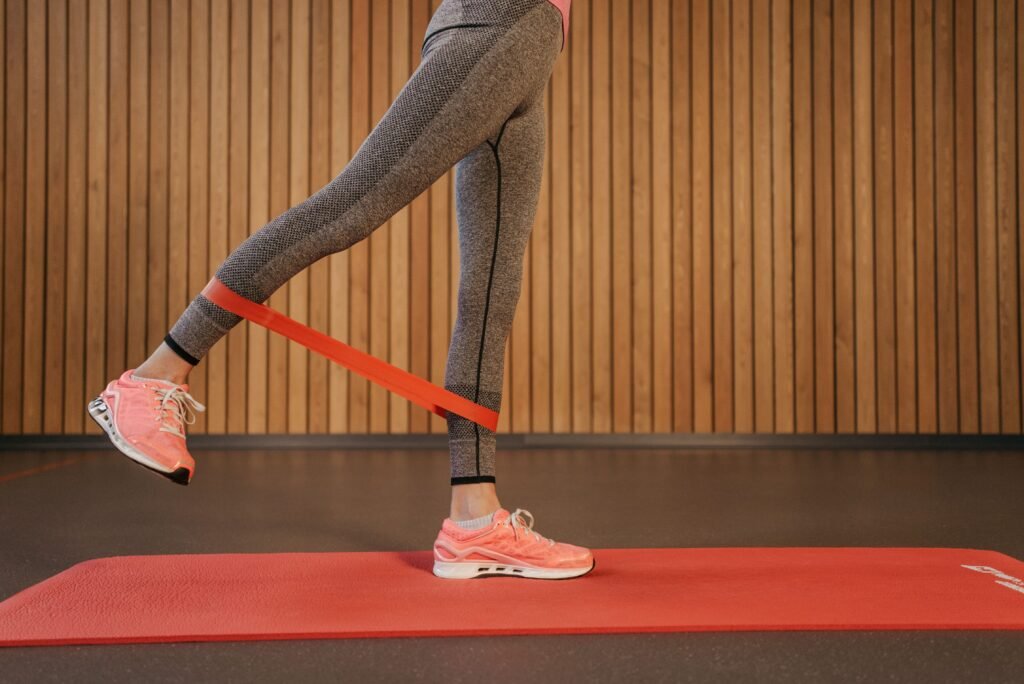
Resistance bands are among the easiest pieces of space-saving fitness equipment to add to your home.
They are lightweight, affordable, and can be stored in a drawer, cupboard, or small storage box. Despite their simple design, resistance bands can be used for both upper- and lower-body exercises.
You can perform exercises such as:
- Resistance-band squats
- Glute bridges
- Rows
- Chest presses
- Shoulder raises
- Bicep curls
- Tricep extensions
- Lateral band walks
Resistance bands are also useful for warm-ups, mobility exercises, and stretching.
For people living in apartments or very small homes, resistance bands are an excellent way to introduce strength training without purchasing bulky equipment.
Best for: Beginners, full-body workouts, mobility, and strength training.
3. Foldable Workout Bench

A workout bench can dramatically increase the number of exercises you can perform with dumbbells. However, traditional benches can occupy valuable floor space.
A foldable workout bench offers a convenient alternative. Many models can be folded and stored vertically against a wall or inside a suitable storage area when they’re not being used.
A bench can be used for:
- Dumbbell chest presses
- Incline presses
- Seated shoulder presses
- Step-ups
- Supported rows
- Bulgarian split squats
- Core exercises
Before buying one, check both its folded and unfolded dimensions. You should also make sure the bench can support your body weight plus the weight you’ll be lifting.
Best for: Weight training and expanding your exercise options.
4. Yoga or Exercise Mat
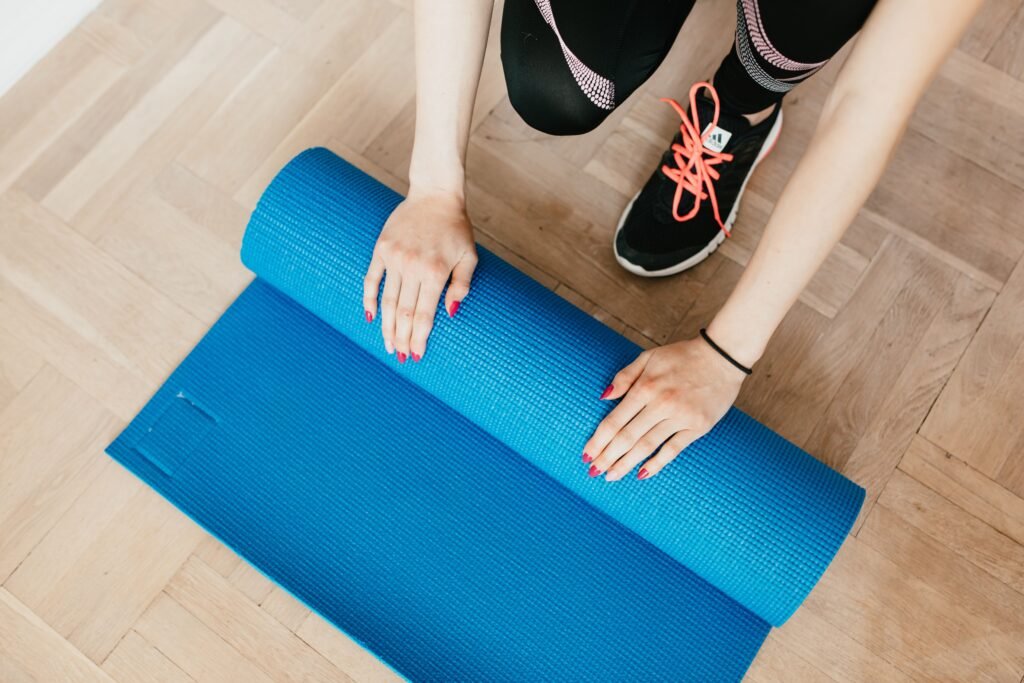
A yoga mat takes up almost no permanent floor space and can support a surprisingly large variety of workouts.
Use it for yoga, Pilates, stretching, mobility sessions, bodyweight exercises, and core workouts. It also provides a more comfortable surface for movements such as planks, push-ups, sit-ups, and floor-based strength exercises.
When your workout is finished, simply roll the mat up and store it vertically in a closet or corner.
Look for a mat with enough cushioning and grip for the types of exercises you plan to perform.
Best for: Yoga, Pilates, stretching, mobility, and floor workouts.
5. Kettlebell
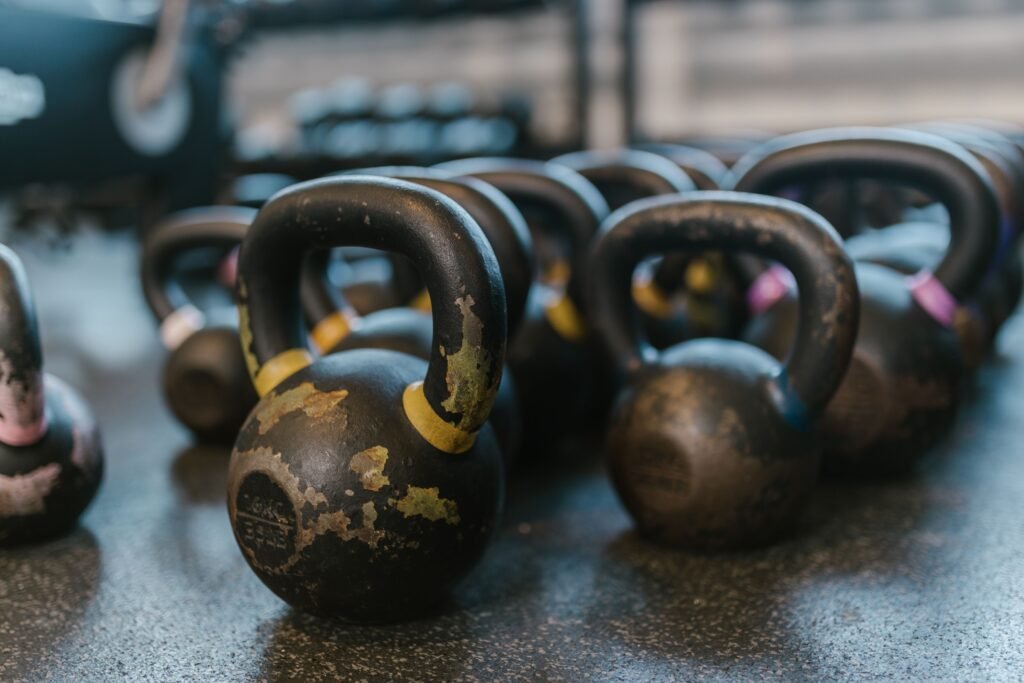
A kettlebell can deliver an effective full-body workout while taking up relatively little storage space.
Exercises such as kettlebell swings, goblet squats, deadlifts, rows, presses, and carries can work multiple muscle groups at once.
For a small home gym, you don’t necessarily need a large collection of kettlebells. One appropriately chosen weight can provide a useful starting point, while adjustable kettlebells can offer additional flexibility.
Because kettlebell exercises can involve dynamic movements, make sure you have enough clear space around you before exercising.
Best for: Full-body strength and conditioning.
6. Doorway Pull-Up Bar
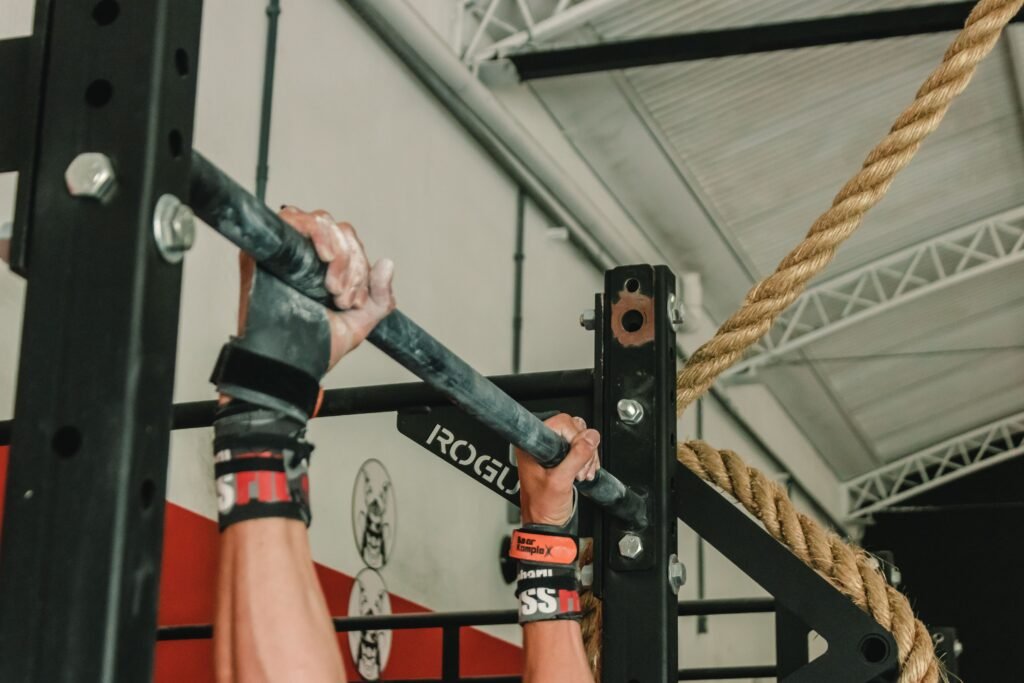
A doorway pull-up bar can provide an effective way to train your back, arms, shoulders, and core without requiring a large piece of gym equipment.
Depending on the design, you may be able to perform pull-ups, chin-ups, and other upper-body movements.
However, not every doorway is suitable for every pull-up bar. Always check the manufacturer’s installation instructions, weight limits, and doorway requirements before using one.
If you’re renting a property, you should also consider whether the design could mark or damage the door frame.
Best for: Upper-body and bodyweight training.
8. Foldable Exercise Bike
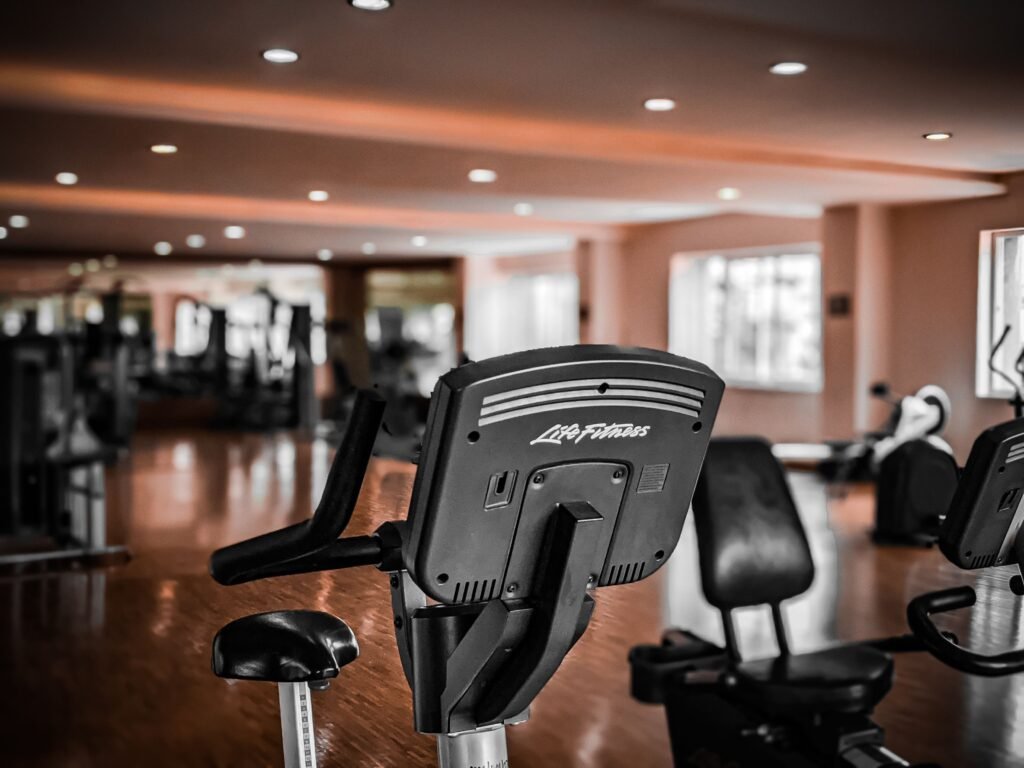
For people who prefer low-impact cardio, a foldable exercise bike can be a practical addition to a small home gym.
Traditional cardio machines can take up considerable floor space, whereas folding designs can be collapsed and moved against a wall or into storage after a workout.
When comparing folding exercise bikes, look at:
- Folded dimensions
- Unfolded dimensions
- Weight
- Adjustability
- Stability
- Resistance options
- Storage requirements
Remember that a folding bike still needs sufficient space while you’re actually using it.
Best for: Indoor cycling and low-impact cardio.
9. Suspension Trainer
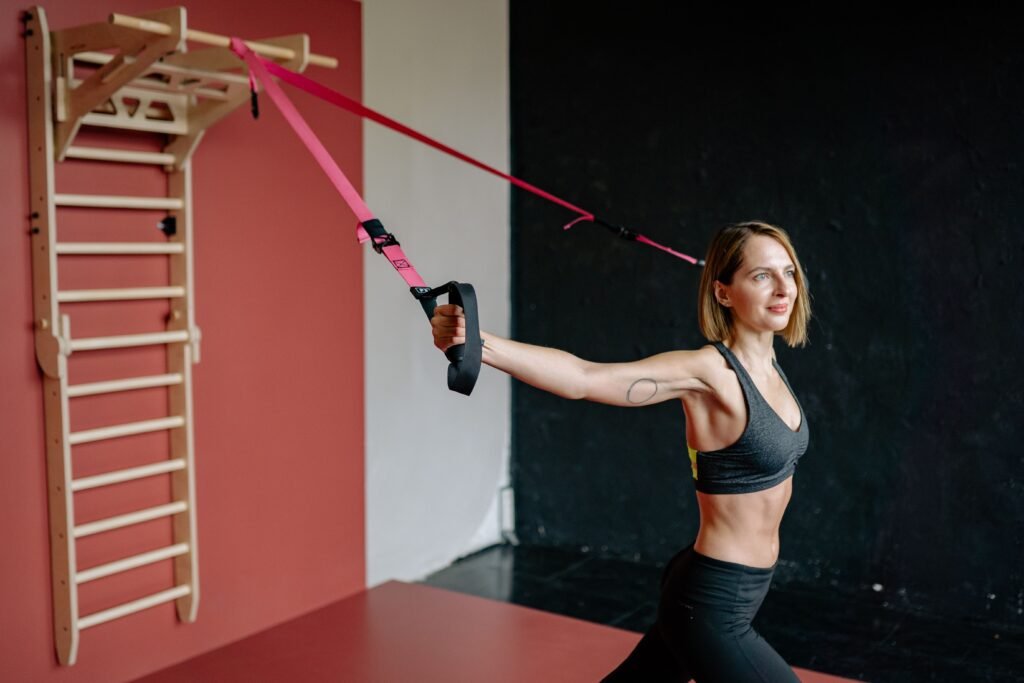
A suspension trainer uses adjustable straps and your body weight to create resistance.
Because the straps are lightweight and take up very little storage space, they can be useful for small home gym ideas where floor space is limited.
Depending on the setup, suspension trainers can be used for:
- Rows
- Squats
- Lunges
- Chest exercises
- Core exercises
- Hamstring movements
- Assisted exercises
Before using one, ensure that the anchor point is suitable, secure, and installed according to the manufacturer’s instructions.
Best for: Bodyweight strength training and full-body workouts.
How to Build a Small Home Gym
You don’t need to buy every type of equipment immediately.
The best approach is to start with versatile equipment that allows you to perform a wide variety of movements.
A practical beginner setup could include:
- Adjustable dumbbells
- Resistance bands
- A yoga or exercise mat
- A foldable workout bench
- One kettlebell
This combination can support strength training, bodyweight exercises, mobility work, and conditioning while requiring relatively little storage space.
If cardio is a priority, consider adding a jump rope or compact folding cardio machine, depending on your available room and workout preferences.
How Much Space Do You Need for a Home Gym?
There isn’t one universal answer because the amount of space you need depends on your equipment and workout style.
A basic setup involving resistance bands, a yoga mat, and bodyweight exercises can work in a relatively small area.
Strength training with dumbbells may require additional room for exercises such as squats, lunges, presses, and deadlifts.
Cardio machines typically require more dedicated floor space.
Instead of asking, “How much equipment can I fit?” ask, “How much room do I need to move comfortably?”
Your workout area should provide enough clearance for the movements you’re planning to perform. You don’t want to repeatedly hit furniture, walls, doors, or other equipment while exercising.
Tips for Choosing Space-Saving Fitness Equipment
Before buying compact home gym equipment, consider the following factors.
Measure Your Space First
Measure your available floor and storage space before purchasing equipment.
For folding equipment, measure both its unfolded and folded dimensions.
Also consider ceiling height if you’re planning to use equipment such as a pull-up bar or perform jumping exercises.
Prioritize Versatility
When space is limited, versatile equipment is particularly valuable.
For example, adjustable dumbbells can be used for dozens of exercises, while resistance bands can be used for strength, mobility, and activation work.
Think about how many different exercises you’ll actually perform with a piece of equipment before buying it.
Consider Storage
Equipment that folds, rolls, stacks, or can be stored vertically can make a major difference in a small room.
Your home gym doesn’t necessarily need to remain permanently set up. If the room serves another purpose, choose equipment that can be quickly packed away after your workout.
Don’t Ignore Quality
Compact equipment should still be sturdy and appropriate for your intended use.
Check the manufacturer’s specifications, weight limits, materials, warranty, and user instructions before purchasing.
The cheapest option isn’t necessarily the most practical if it needs to be replaced quickly.
Leave Enough Workout Space
Avoid filling every available inch of your room with equipment.
You need sufficient space to move freely and exercise safely.
A smaller selection of well-chosen equipment is often more practical than a room full of machines that leaves little room to actually work out.
Common Mistakes When Creating a Small Home Gym
Building a home gym in a limited space can be challenging, particularly if you purchase equipment before planning the layout.
Here are some common mistakes to avoid.
Buying Too Much Equipment
It’s easy to accumulate fitness equipment that seemed useful when you purchased it but rarely gets used.
Start with the basics and add equipment only when you identify a genuine need.
Ignoring Storage
Equipment that looks compact in a product photograph may still become difficult to store when you own several pieces.
Think about where every item will go when you’re not exercising.
Forgetting Movement Space
A room may technically be large enough for a piece of equipment but too small to use it comfortably.
Always consider the movement required around the equipment.
Choosing Single-Purpose Equipment
If space is your biggest limitation, single-purpose equipment may not provide enough value for the floor space it occupies.
Whenever possible, choose equipment that supports multiple exercises.
Frequently Asked Questions
What is the best home gym equipment for a small space?
Adjustable dumbbells, resistance bands, an exercise mat, and a foldable workout bench are practical choices because they support a wide variety of exercises without requiring a large amount of storage space.
What is the most space-efficient gym equipment?
Resistance bands, jump ropes, yoga mats, suspension trainers, and compact accessories such as ab rollers require very little storage space. Adjustable dumbbells are also highly space-efficient because they can replace multiple pairs of fixed-weight dumbbells.
Can you build a home gym in a small apartment?
Yes. You can create an effective apartment gym with compact equipment such as resistance bands, adjustable dumbbells, a mat, and a folding bench.
The key is to choose versatile equipment and have a clear storage plan.
Is a treadmill suitable for a small home gym?
A treadmill can work in a small home if there is enough space for safe operation and storage.
Folding treadmills can reduce storage requirements when not in use, but they still need adequate room when unfolded and operated.
Always check the manufacturer’s clearance recommendations before using one.
How can I store gym equipment in a small room?
Use vertical storage wherever possible. Hooks, shelves, baskets, storage racks, and wall-mounted solutions can help keep equipment organized.
Smaller items such as resistance bands and jump ropes can be stored in containers, while folding benches and other larger equipment can often be stored vertically when appropriate.
Is home gym equipment worth it for a small apartment?
For many people, compact home gym equipment can make exercising more convenient because it eliminates the need to travel to a gym.
The value depends on your available space, exercise preferences, budget, and how consistently you’ll use the equipment.
Final Thoughts
The best home gym equipment for small spaces isn’t necessarily the equipment with the smallest dimensions. The most useful options combine a compact footprint with versatility, durability, and easy storage.
Adjustable dumbbells, resistance bands, foldable benches, kettlebells, yoga mats, suspension trainers, and compact cardio equipment can help you create an effective workout environment without needing an entire room.
The key is to choose equipment based on your actual fitness goals rather than trying to recreate a commercial gym at home.
With thoughtful equipment choices, smart storage, and enough room to move comfortably, even a small space can become a practical and enjoyable home gym.